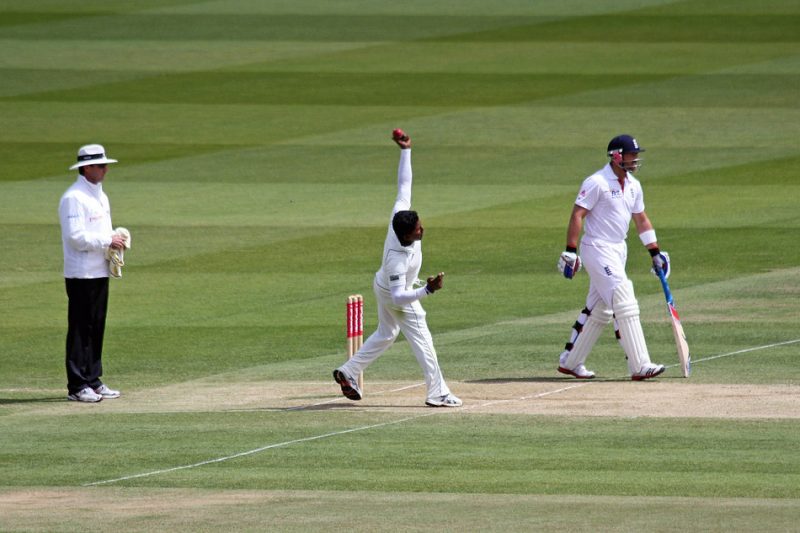
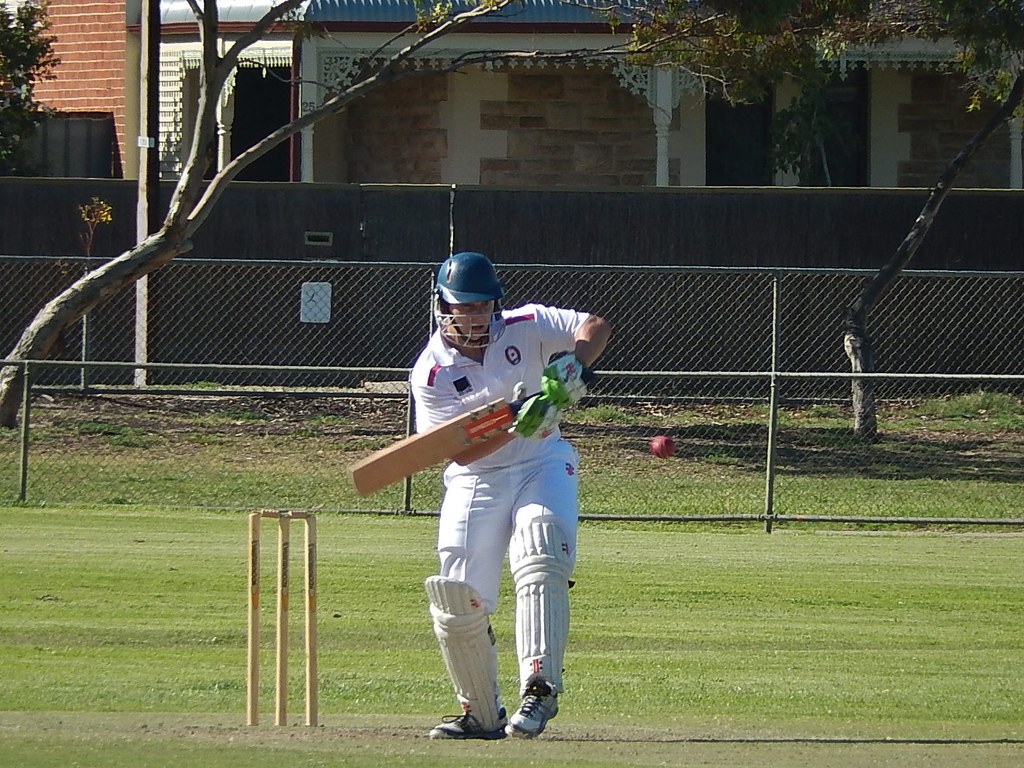

There is a moment, late on the first day of a Test match, when a captain makes a quietly ruthless decision. A wicket has fallen, the light is going, and rather than expose a frontline batsman to twenty minutes of hostile bowling, he sends in a bowler instead. The nightwatchman has arrived.
It is one of cricket’s oddest contracts. A player who cannot really bat is asked to do nothing but bat, against the best bowling of the day, with no reward expected beyond mere survival. Score nothing. Just do not get out.
Built to Endure, Not to Score
The job rewards a strange set of virtues. Footwork matters less than nerve. The nightwatchman is not trying to win the session; he is trying to deny it to the opposition. Every ball blocked is a small theft of momentum, a delay imposed on a bowler who can smell a soft wicket.
A nightwatchman does not play for runs. He plays for the morning, for the players who deserve the daylight more than he does.
An old county coach, on the art of batting at dusk
When it works, nobody remembers. The specialist comes in fresh the next morning, the score ticks along, and the night before is forgotten. When it fails, it is quietly catastrophic — a wicket given away for nothing, a plan that backfired in the worst light of the day.
Why It Still Survives
Modern analytics have questioned the nightwatchman for years. The data is ambivalent; the tradition is not. Cricket keeps the role because it speaks to something the sport has always prized — the willingness to do an unglamorous job for the good of someone else’s innings. In a game obsessed with individual numbers, the nightwatchman is one of the last truly selfless positions left.