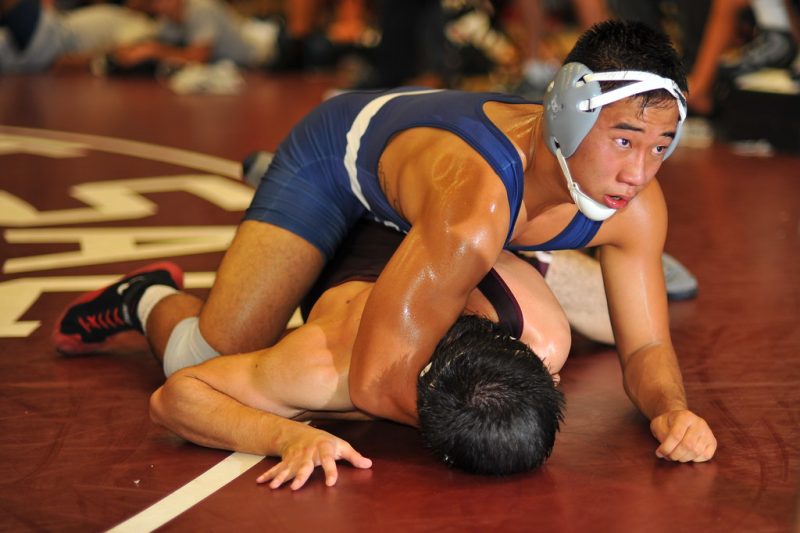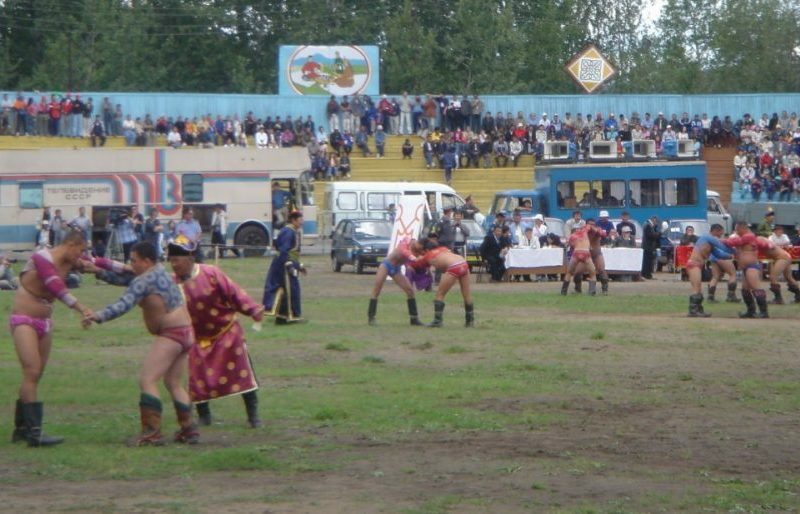

The match is the visible part. The invisible part — the cut — is where a great deal of wrestling’s suffering and a fair amount of its damage actually lives, in saunas and on scales nobody broadcasts.
Discipline Has an Edge That Cuts Both Ways
There is something admirable in the control it demands, and something alarming in how routinely young athletes are asked to dehydrate themselves to the brink. The sport has long treated this as a rite of passage rather than a problem.
We celebrate the discipline of the cut. We rarely ask what it costs the kid doing it.
A former competitor turned coach
Honesty here is not an attack on the sport; it is loyalty to it. A culture that loves wrestling should want it to keep its toughness without quietly harming the teenagers who carry it.
Admire the discipline, by all means. But admiration without scrutiny is how a hard sport lets a dangerous habit hide inside a virtue.