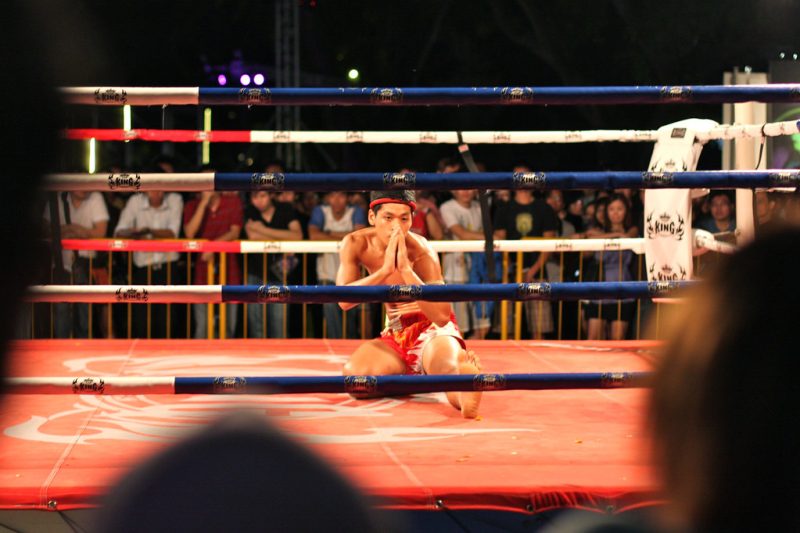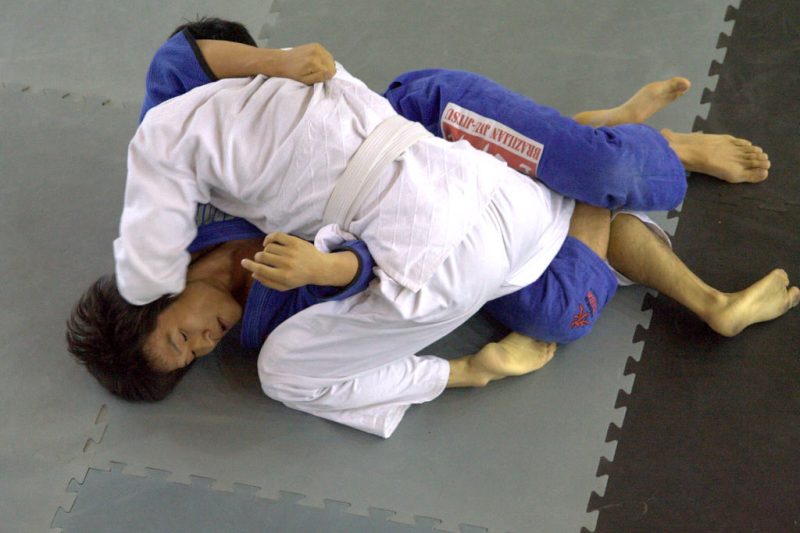

Every popular sport has a generation that did the hard part — competing at the highest level it could find, before that level paid, travelled, or trended. In mixed martial arts that generation fought in regional shows and half-full halls, and the women among them fought twice as hard to be allowed in the building at all.
The Pioneers Get the Bruises, the Followers Get the Spotlight
It is a familiar trade in any frontier sport. The first wave establishes that the thing can be done well, takes the damage of doing it without a safety net, and then watches a later, better-paid generation inherit the audience they assembled. Gratitude arrives, if it arrives, in retrospect.
We were not fighting for the spotlight. We were fighting so the spotlight would exist for somebody.
A veteran of the regional circuit
The technical debt the sport owes them is enormous. The striking-to-grappling transitions that look seamless today were debugged in obscurity, fight by losing fight, by people who never saw the money the blueprint would later generate. The cage they built is the same one the headliners walk into.
When the highlight packages get made, the early rounds rarely feature. They should. The foundation is not the least interesting part of the building. It is the only reason there is a building.