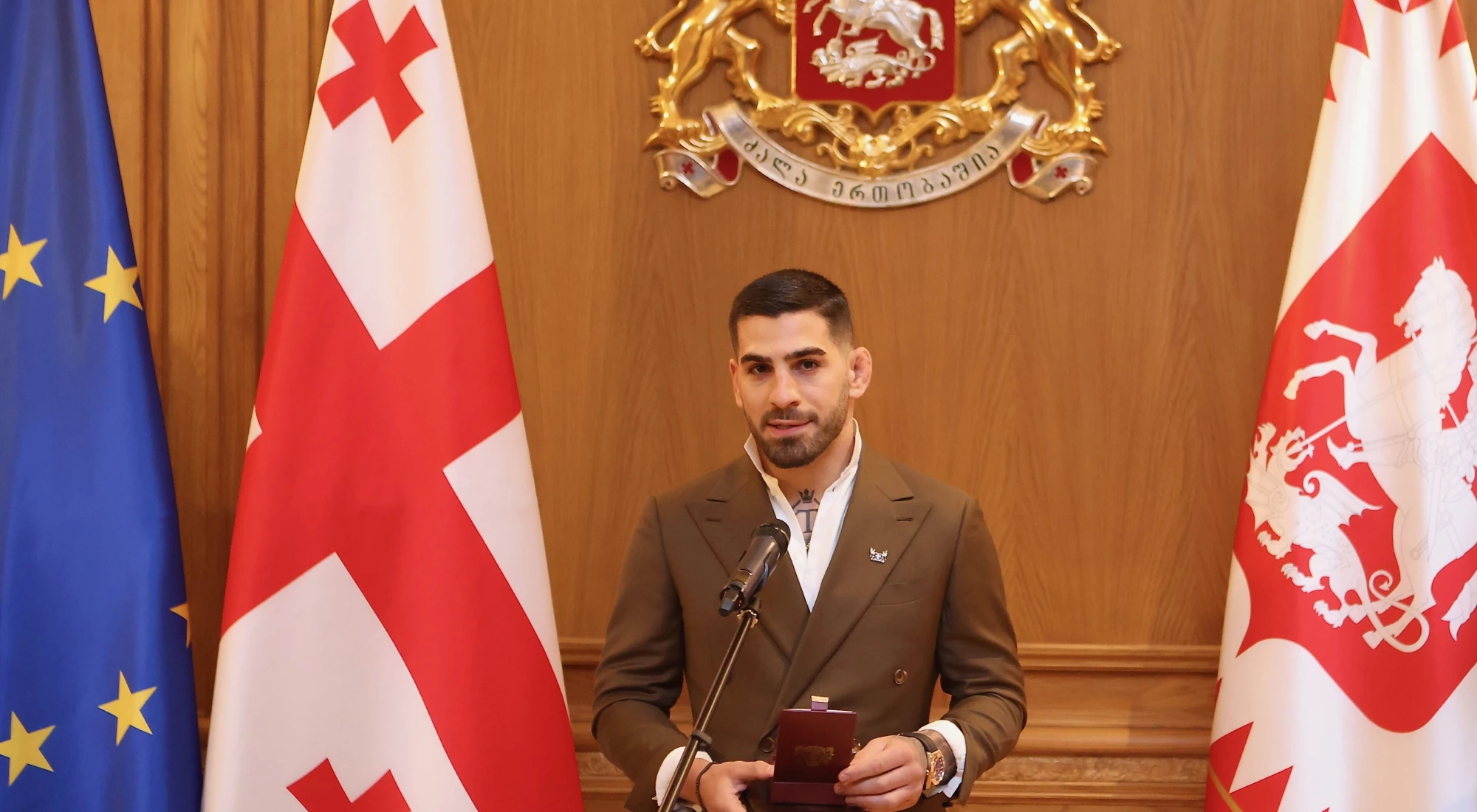

For almost five years, Ilia Topuria appeared simply untouchable. Every prediction was met with another victory. Every declaration of greatness, another performance to justify it. Alexander Volkanovski fell. Max Holloway, a fighter who had never previously been stopped, followed. The confidence that had once been dismissed as arrogance gradually became accepted as something else entirely: certainty. Ilia Topuria was not simply winning fights; he was dominating exactly in the way he said he would.
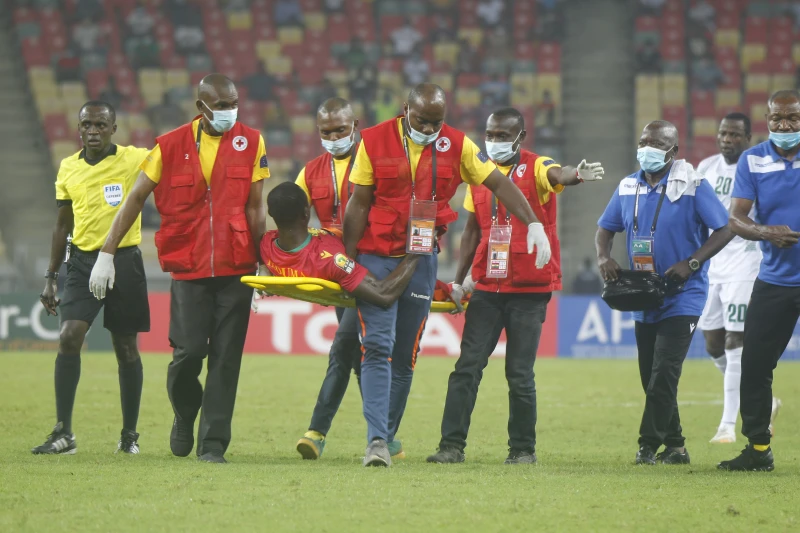
Then came Justin Gaethje. Four rounds would prove to be all it took. As Topuria failed to answer the bell for the fifth, the veil of invincibility that had surrounded him throughout his rise finally gave way to uncertainty. Not because defeat erased everything Topuria had already achieved. Champions are not defined by a single result, just as legacies are rarely built on a single victory. Rather, his first professional loss presented him with something he had never before encountered: the opportunity to discover what kind of champion he would become when perfection was no longer an option.
What the Belt Conceals
It is a crossroads almost every champion the sport now remembers as legendary has eventually been forced to navigate. Whether inside a boxing ring, an MMA cage or a Muay Thai arena, winning a world title is widely regarded as the ultimate examination. Years of sacrifice, relentless discipline and unimaginable physical hardship are all endured in pursuit of a single objective: having championship gold wrapped around your waist. Yet the belt has rarely represented the final destination. If anything, it is merely the beginning.
Victory has a remarkable way of concealing flaws. Confidence replaces doubt, praise drowns out criticism and success creates the illusion that every decision leading to that moment was the correct one. As long as the wins continue, there is little incentive to question the habits, techniques or assumptions that made them possible. On the contrary, defeat offers no such comfort. It strips away illusion with a ruthlessness that victory lacks, exposing technical shortcomings, psychological vulnerabilities and uncomfortable truths that success often allows to remain hidden. That is why so many of combat sport’s greatest champions do not speak of defeat as the end of their story, but as the moment they were finally forced to confront it honestly.
It is perhaps for that reason that so many of combat sport’s greatest champions look back on defeat not with resentment, but with gratitude. Not because they enjoyed losing, nor because it diminished the pain of the moment, but because it forced a level of honesty that victory rarely demands.
Victory teaches very little. It is through defeat that we learn the most about ourselves and how to grow.
Georges St-Pierre
Former two-weight UFC champion Georges St-Pierre reached that conclusion after suffering one of the biggest upsets in mixed martial arts history. In 2007, the seemingly untouchable Canadian was stopped by Matt Serra at UFC 69, surrendering the welterweight title in a defeat few had predicted. He reflected on the experience in his 2013 autobiography, The Way of the Fight.
As long as a fighter continues to have their hand raised, flaws become remarkably easy to ignore. A defensive lapse is overlooked because it never proves costly. A tactical habit survives because the opponent fails to punish it. Success has a habit of disguising imperfections, allowing them to exist unchecked beneath the surface. Defeat, by contrast, removes that luxury. It demands uncomfortable questions, honest answers and, ultimately, meaningful change. For Ilia Topuria, that process has only just begun.
St-Pierre’s reflection points towards a truth that has long been understood by the sport’s greatest coaches. Defeat is not valuable because it hurts; it is valuable because it demands adaptation. A fighter can ignore flaws while winning. They cannot ignore them once an opponent has exposed them on the biggest stage.
Few understood that better than legendary boxing trainer Cus D’Amato. Responsible for shaping the careers of Floyd Patterson, José Torres and, most notably, Mike Tyson, D’Amato viewed defeat not as a source of shame, but as an essential stage of development. As documented in Cus D’Amato: I’ll Only Teach You to Fight and George Heller’s archival collections on D’Amato’s life and coaching philosophy, he famously remarked: “Lose? I don’t mind a boy losing if he learns. If he loses and doesn’t learn, then it’s a loss. But if he learns, it’s a lesson. He’s just paying his tuition, that’s all.”
Information, Not a Verdict
Ultimately, it is a philosophy that extends far beyond boxing. Every champion eventually pays that tuition in one form or another. The difference lies not in the defeat itself, but in the response that follows. Some allow the loss to become a permanent scar, retreating into excuses or clinging to the version of themselves that once succeeded. Others treat defeat as information. They dissect it, question it and rebuild around it, returning not simply with renewed motivation, but as fundamentally different athletes.
What separates the greatest champions, then, is not an extraordinary capacity to endure defeat. Every fighter suffers. Every champion hurts. The distinction lies in what they choose to do with that pain.
Muhammad Ali emerged from his first defeat to Joe Frazier with more than a blemish on his record. He emerged with a greater understanding of himself. Reflecting on the lessons defeat had taught him, Ali famously remarked: “Inside the ring or out, ain’t nothing wrong with going down. It’s staying down that’s wrong.” It was not the defeat itself that defined him, but the refusal to allow it to become permanent. Sugar Ray Leonard reached a similar conclusion after Roberto Durán defeated him in the “Brawl in Montreal.” Looking back, Leonard recognised that pride had persuaded him to fight Durán’s contest rather than his own. Five months later, he returned for the now-iconic “No Más” rematch with an entirely different tactical approach, frustrating Durán into surrender. His speed had not improved. His power had not suddenly increased. What changed was his understanding of how to win.
The same principle has echoed throughout mixed martial arts. Charles Oliveira rebuilt his reputation after years of criticism over his perceived fragility, transforming himself from an elite submission specialist into one of the UFC’s most complete lightweights. Justin Gaethje’s reinvention was perhaps even more dramatic. Following successive stoppage defeats to Eddie Alvarez and Dustin Poirier, he and renowned coach Trevor Wittman resisted the temptation to simply become tougher. Instead, they rebuilt his game from the ground up, exchanging reckless aggression for measured pressure, disciplined footwork and calculated shot selection.
Reflecting on Justin Gaethje’s evolution during an interview with Between Rounds Podcast, Wittman said: “One of the special things about losses is it’s a lot easier to learn from than a win… Everything has a pro and a con to it. It’s all about perspective.” It is a philosophy that captures the central argument of this article. The greatest champions rarely view defeat as a verdict on their ability. They view it as information — an honest diagnosis of the weaknesses that victory had quietly allowed to survive. That is precisely the challenge now facing Ilia Topuria.
The Exceptions and the Rule
Of course, defeat is not a prerequisite for greatness. Floyd “Money” Mayweather retired with a somewhat controversial unbeaten 50-0 record. Rocky Marciano never lost a professional contest. Khabib Nurmagomedov walked away from mixed martial arts undefeated. None required defeat to expose their shortcomings because they refused to allow success to disguise them in the first place. If anything, they represent the rare exception that proves the rule. Rather than waiting for an opponent to reveal their weaknesses, they searched relentlessly for them while still winning. Every training camp became an opportunity to refine, adapt and question the habits that had already brought success. They achieved the same destination by a different route, cultivating the self-awareness that defeat so often forces upon others.
For the overwhelming majority of champions, however, that level of introspection is only truly demanded once perfection disappears. Only then are they confronted with the uncomfortable decision every great fighter must eventually make: protect the version of themselves that once succeeded, or become the best version of themselves.
That now leaves Ilia Topuria standing where so many of combat sport’s greatest champions once found themselves. For the first time in his professional career, he’s in limbo. The aura of inevitability has given way to uncertainty. Questions that victory never demanded now require answers. Were there technical shortcomings hidden beneath an unbeaten record? Has the sport begun to solve him? More importantly, is he willing to solve himself?
Whether it was Muhammad Ali, Georges St-Pierre, Sugar Ray Leonard, Charles Oliveira or Justin Gaethje, the champions remembered most fondly were not simply those who returned. They were the ones who returned differently. Defeat became less a full stop than a catalyst for reinvention, forcing them to confront parts of themselves that victory had quietly allowed to remain hidden. That is now the challenge facing Topuria.
His defeat to Justin Gaethje will undoubtedly remain a stain on what has otherwise been a sparkling career, but whether it becomes what defines or ultimately strengthens him remains entirely unwritten. Perhaps that is the greatest lesson victory can simply never teach. A championship belt can confirm talent. An unbeaten record can create an aura of invincibility. But only defeat asks the questions that truly reveal a champion’s character. For almost five years, Ilia Topuria showed the combat sports world how good he was. However, the months and years to come may reveal something even more important: just how great he can become.