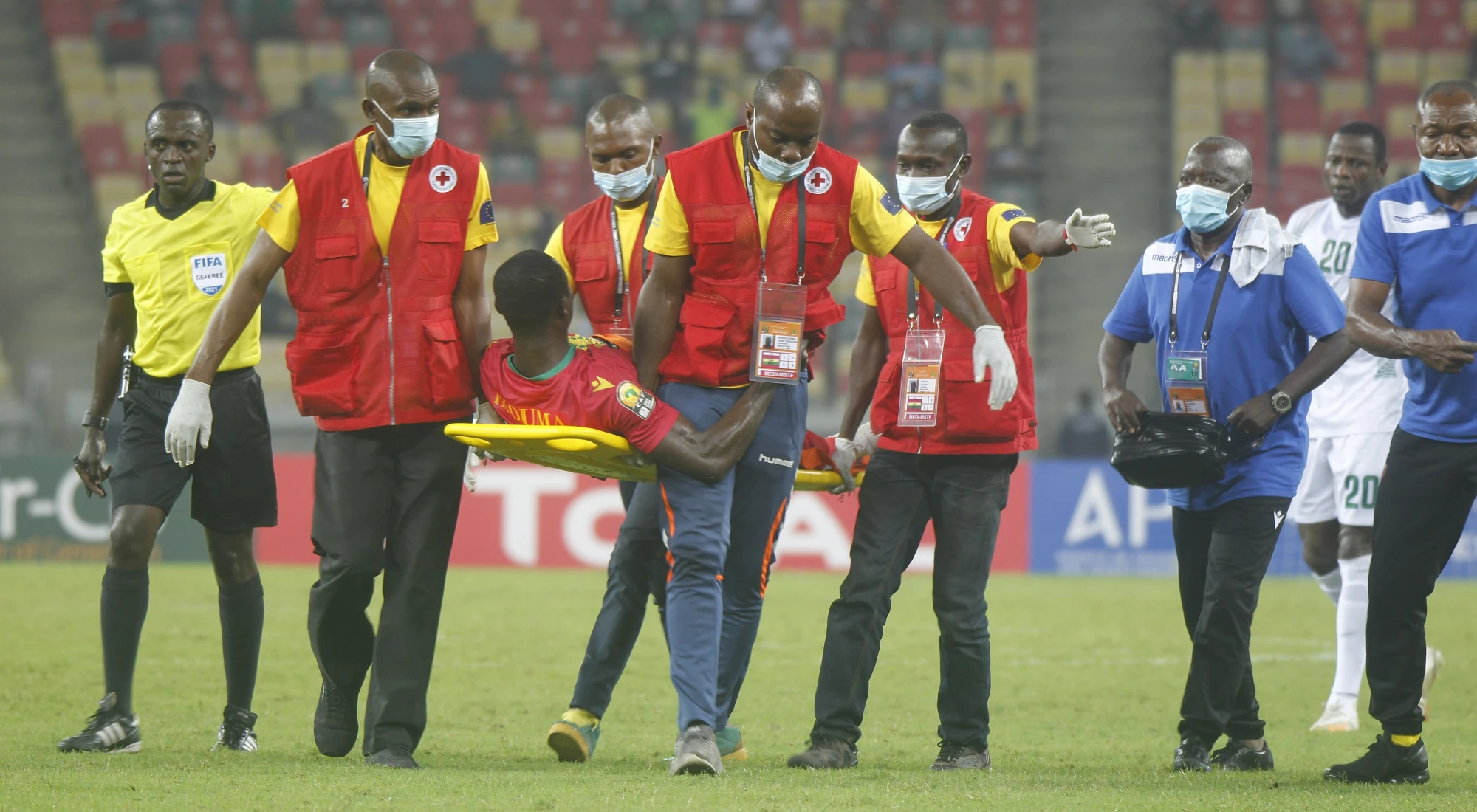

There’s an unmistakable loneliness that lingers with injury. One moment you’re in the thick of it, the wind in your sails, adrenaline surging through every fibre of your being, and the next you’re alone on a physio bed lost in the fog of your mind, wondering if you’ll ever play again. For athletes alike, injuries aren’t just physical hurdles; they’re psychological battles that test your mettle, where you can either plummet or rise higher than you ever thought was possible.
Losing More Than Just Fitness: The Emotional Toll
Although everyone has their own experiences, injury can often feel like the world is spinning without you. The team progresses, fixtures rack up and new faces step into the shirt that you thought was undeniably yours. Well, that’s football and just like the rest of the world it waits for nothing.
Take Jack Wilshere for instance, who at 19 years old cut through what’s arguably the best midfield three in the history of the sport like a hot knife through butter. Once labeled England’s starboy, few know the toll of injury as well as him. Chronic ankle injuries not only hindered his development but more so his confidence, admitting that “…it was like my identity was being taken from me.” It’s a loss of purpose that every injured athlete has grappled with, where you are certainly a part of the team, but as an outsider, almost as if you are spectating your own career. To bring some context to this impact, consider that the British Journal of Sports Medicine found that 45% of injured athletes experience depression, serving as an analytical reminder that rehab is more than just the body, but also the mind.
Rehab: The Physical Grind Meets the Mental Maze
Rehabilitation is a cycle of early mornings, treadmills and workouts that feel a world away from matchday intensity. However, it is this that separates the wheat from the chaff, and the individual’s discipline is truly put to the test. Take Kevin De Bruyne for instance. His recovery from his 2016 knee injury is nothing short of a masterclass, including carefully scheduled physical and importantly mental work to ensure his return would render him stronger than ever.
However, the importance of nutrition is not something to be underestimated. In fact, nutrition is often considered just as important as your rehab itself. Consider that injured players often tailor their diets to catalyse their recovery. For example, protein-rich meals and anti-inflammatory foods as well as a multitude of other diets to speed up recovery. Clubs often have staff completely dedicated to this, hiring chefs and nutritionists who tailor specific diets. Ultimately, meaning that players such as Virgil Van Dijk and Tyrone Mings, both of whom have recovered from ACL tears, can maintain body composition without excessive weight gain. Of course, this can differ between individuals.
Whilst this is not always the case, the isolating nature of rehab often amplifies negative emotions. For instance, training away from teammates can mean missing out on the camaraderie of the dressing room — understandably leaving some feeling lonely. Of course, clubs look to counter this by integrating injured players into discussions and tactical meetings, keeping them mentally engaged even when physically unable. It is this inclusion in everyday ongoings that is crucial.
Mental Resilience: Navigating the Emotional Rollercoaster
It goes without saying that rehab isn’t linear progress. Setbacks happen and whilst they can seem like the end of the world at first, it’s vital to take a step back because it is ultimately moments like these where mental resilience is most vital. Sports psychologists are key in aiding this process, often helping players develop coping methods. For instance meditation, visualisation and goal setting just to name a few. However, the method that I feel excels in doing this is micro goals. Setting long term goals can be daunting and at times demoralising when progress starts to plateau. Therefore, by setting smaller, perhaps daily goals whether that’s ten more reps on the bench press or 2 seconds on the stationary bike sprint can be beneficial to one’s confidence. It’s all about finding those little victories, or finding light in complete darkness in metaphorical terms.
Lions don’t recover like humans.
Zlatan Ibrahimović
Zlatan Ibrahimović is someone that many footballers should look to regarding mentality. Of course, famously declaring the above after suffering what could have been a career-ending knee injury at 35 years of age. Some see this as ego, arrogance and sheer narcissism and perhaps there’s an element of this. However, this mindset undeniably played a critical part in his miraculous comeback, acting as a living manifestation of ‘mind over matter’. Therefore, whilst unorthodox in mannerism, Zlatan’s mentality is definitely something that both aspiring and current players can look to introduce into their game.
Notably, something as simple as enjoying hobbies and spending time with family have shown to be useful distractions from the pressures deriving from injury. Hector Bellerin is a great example of this, who during injury spells notably dived into fashion and environmental activism — acting as a reminder that life beyond football can be just as important as the work you put into it.
Final Whistle: More Than Just a Physical Battle
Injuries are and will likely always be more than a test of your physical self. They challenge you as a being, testing your mental fortitude. However, they also offer perspective. After all, overcoming injury is more than just a return to the pitch but about redefining yourself beyond the game, ultimately allowing you to channel the frustration of every laboured rehab session into reflection, where you’ll realise that all of the isolated training, the grind behind the scenes and most importantly the mental battles were never setbacks. They were the journey, so when you see your name on the team sheet again, you’re no longer a player returning from injury — you’re stronger than you’ve ever been before.