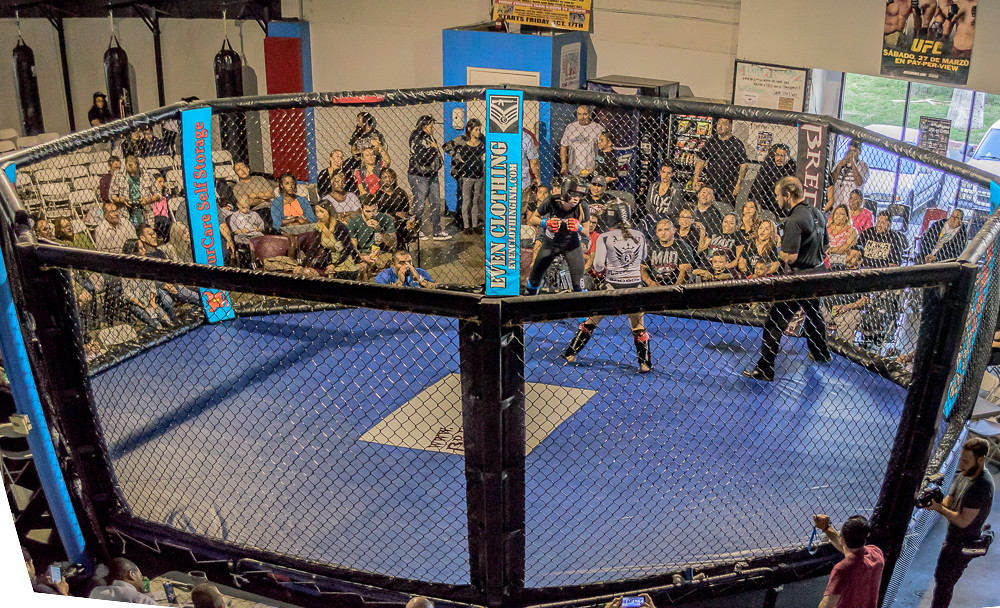

The walk is the worst part. Not the punches, not the lights — the walk. The long minute from the back to the cage, when there is nothing left to train and nothing left to do but arrive.
Fighters rarely talk about fear honestly, because the sport sells the opposite. But spend enough time around them and the truth comes out in quiet moments. They are all afraid. The difference is what they have learned to do with it.
Not Fearless — Functional
The myth of the fearless fighter is exactly that. The reality is a person who has felt the fear so many times that it no longer surprises them. They have rehearsed the panic until it became routine. The body still floods with adrenaline; the mind has simply stopped treating it as an emergency.
Courage is not the absence of fear. It is finishing the walk anyway, with your knees shaking, and doing your job.
A featherweight, after a defeat
That arrangement is fragile. A fighter who loses it — who lets the fear become the loudest voice — is finished long before the first punch lands. The crowd sees a poor performance; the corner saw it leave during the walk.
The Cost Nobody Photographs
We celebrate the winners and replay the knockouts, but the real subject of the sport is what it asks of the nervous system. Every fighter who steps through that door has already won a private contest most people never have to enter. The cage is just where the second one begins.